Electrical safety is one of the most important aspects of maintaining a secure and functional home. Many residents rely on a Southside Electrics expert electrician when serious electrical issues arise, but proactive safety habits can prevent many problems before they escalate. Electrical faults are a leading cause of household fires and property damage, yet many risks can be reduced through awareness, maintenance, and responsible usage.
Also Read: How Background Removal Improves Visual Marketing
Your home’s electrical system works quietly behind the scenes every day. By understanding potential hazards and implementing simple safety practices, you can significantly lower the risk of accidents, equipment damage, and costly repairs.
Never Ignore Flickering Lights or Tripping Circuits
Flickering lights or circuit breakers that trip frequently are not minor inconveniences. They are often early warning signs of overloaded circuits, loose wiring, or failing components. Ignoring these signals can allow small issues to develop into dangerous faults. If lights dim when appliances switch on, or if breakers trip without clear cause, have the system inspected promptly. Addressing issues early prevents overheating and reduces fire risk.
Install and Regularly Test Safety Switches
Safety switches, also known as residual current devices, are designed to cut power instantly when a fault is detected. These devices are critical in preventing electric shock and serious injury. Every homeowner should ensure safety switches are installed on power and lighting circuits. Testing them every few months by pressing the test button confirms they are functioning correctly. If a safety switch fails to trip, it should be replaced immediately.
Avoid Overloading Power Boards
Overloaded power boards are a common hazard in modern homes. With the increasing number of devices and appliances, it is tempting to plug multiple high-wattage items into a single outlet. Overloading circuits can cause overheating and increase fire risk. Instead of relying on multiple extension leads, consider installing additional power points to safely distribute electrical load.
Keep Electrical Cords in Good Condition
Damaged or frayed cords expose wiring and create serious shock hazards. Inspect cords regularly for cracks, cuts, or wear, especially on appliances used frequently.
Avoid running cords under rugs, across doorways, or through high-traffic areas where they can become damaged. Replace any cord showing signs of deterioration rather than attempting temporary fixes with tape.
Be Cautious With DIY Electrical Work
Electrical work in Australia must be carried out by licensed professionals. Attempting DIY repairs or installations not only poses significant safety risks but may also violate legal requirements and void insurance policies. Even seemingly simple tasks, such as replacing wiring or modifying circuits, require professional knowledge to ensure compliance and safety.
Keep Water Away From Electrical Fixtures
Water and electricity are a dangerous combination. Ensure power points and switches are installed at safe distances from sinks, bathrooms, and outdoor areas. When using electrical appliances near water, such as in kitchens or laundries, make sure your hands are dry and the appliance is in good condition. Outdoor outlets should be weatherproof and properly sealed.
Upgrade Outdated Switchboards
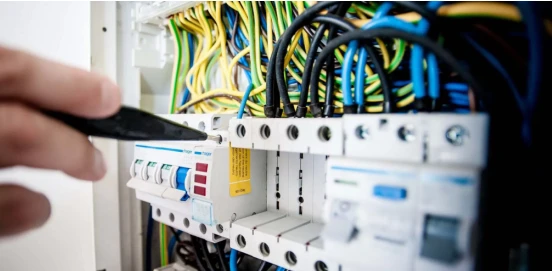
Older switchboards may not be equipped to handle the electrical demands of modern homes. If your property still uses ceramic fuses or lacks safety switches, an upgrade may be necessary. Modern switchboards provide improved protection against overload, short circuits, and electrical faults. Upgrading enhances both safety and efficiency.
Install Surge Protection Devices
Power surges can damage sensitive electronics, including televisions, computers, and appliances. Installing surge protection devices at the switchboard or using high-quality surge-protected power boards helps safeguard your equipment. Surge protection is particularly useful during storms or in areas prone to voltage fluctuations.
Ensure Proper Outdoor Electrical Safety
Outdoor electrical installations must be suitable for exposure to weather and moisture. Use outdoor-rated extension cords and keep connections elevated off the ground to prevent water contact. If you notice damaged outdoor wiring, loose fittings, or exposed cables, arrange professional repair immediately.
Educate Children About Electrical Safety
Teaching children about basic electrical safety reduces the risk of accidents. Explain the dangers of inserting objects into power points, pulling on cords, or playing near electrical panels. Installing childproof outlet covers adds an extra layer of protection in households with young children.
Schedule Regular Electrical Inspections
Routine electrical inspections identify hidden issues that may not be visible to homeowners. Over time, wiring can deteriorate, connections can loosen, and components can wear out. Regular inspections ensure your electrical system remains compliant with safety standards and capable of handling household demand.
Pay Attention to Burning Smells or Unusual Noises
A burning smell, buzzing sounds, or visible sparks are serious warning signs. These symptoms may indicate overheating wires, loose connections, or arcing. If you notice any of these signs, turn off power to the affected area and contact a licensed electrician immediately.
Replace Faulty Appliances Promptly
Faulty appliances can strain circuits and create safety hazards. If an appliance frequently trips a breaker, emits unusual smells, or overheats, discontinue use until it has been repaired or replaced. Using damaged appliances increases the likelihood of electrical accidents.
Avoid Using Appliances During Storms
During severe storms, lightning strikes and power fluctuations can damage electrical systems. Unplug non-essential electronics and avoid using wired devices during electrical storms. Taking simple precautions reduces the risk of surge damage and shock.
Ensure Proper Ventilation Around Electrical Equipment
Electrical panels and appliances require adequate ventilation to prevent overheating. Avoid storing items near switchboards or blocking airflow around equipment. Maintaining clear space around electrical components supports safe operation.
Know the Location of Your Main Power Switch
In an emergency, being able to quickly shut off power is critical. Ensure all household members know where the main switch is located and how to turn it off safely. Quick access to power isolation can prevent further damage during electrical faults.
Conclusion
Electrical safety is a shared responsibility that begins with awareness and proactive maintenance. By recognising warning signs, avoiding unsafe practices, and ensuring your home’s system is up to date, you can significantly reduce risks.
Regular inspections, proper equipment use, and timely upgrades help protect your home, your family, and your investment. Taking electrical safety seriously ensures your property remains secure and efficient for years to come.