
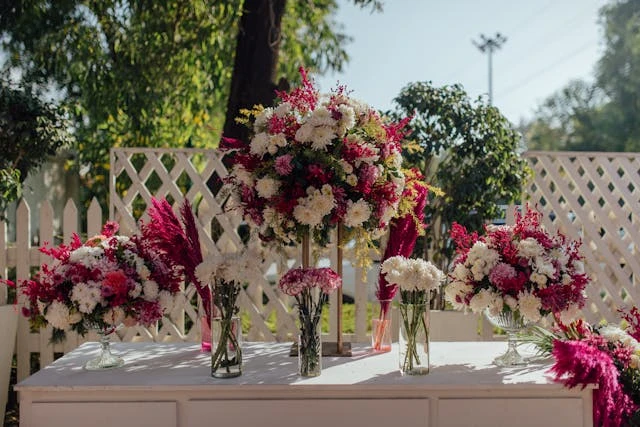
Wedding flowers play an important role in shaping the atmosphere and visual beauty of a celebration. From the bridal bouquet to ceremony arches and reception centerpieces, floral arrangements help define the mood, theme, and personality of the event. Couples often spend months selecting colors, blooms, and styles that reflect their vision while ensuring every floral detail feels cohesive.
Also Read: Comfort Meets Precision – The RingConn Gen 2 Air Experience
Modern weddings now feature a wide variety of floral styles, ranging from classic white roses to wild garden-inspired arrangements. The right flowers can transform a simple venue into an elegant setting filled with texture, fragrance, and color. Whether planning a grand ballroom event or an intimate outdoor ceremony, choosing suitable floral arrangements requires thoughtful preparation and creativity.
When exploring ideas for flowers for wedding arrangements, couples often focus on selecting blooms that match both the season and the overall wedding theme. This approach helps create harmony throughout the event while ensuring the floral décor feels natural and visually balanced.
Why Wedding Flowers Matter
Flowers are more than decorative elements at weddings. They contribute to the emotional tone of the celebration and often symbolize love, joy, purity, and commitment. Carefully chosen arrangements can elevate photography, complement attire, and create memorable guest experiences.
Wedding flowers are commonly used in several areas, including:
- Bridal bouquets
- Bridesmaid bouquets
- Ceremony arches
- Table centerpieces
- Aisle decorations
- Boutonnieres and corsages
- Cake flowers
- Reception installations
Each arrangement serves a unique purpose while contributing to the overall aesthetic of the wedding.
Choosing a Wedding Flower Style
Before selecting specific blooms, couples should decide on the floral style they want throughout the event. Different arrangement styles create different moods and visual effects.
Classic and Elegant Arrangements
Traditional weddings often feature timeless flowers such as roses, lilies, orchids, and hydrangeas. These arrangements usually include symmetrical designs, soft color palettes, and polished presentation styles.
Popular colors include:
- White
- Ivory
- Blush pink
- Champagne
- Soft peach
Classic floral arrangements work well in churches, banquet halls, and luxury indoor venues.
Garden-Inspired Floral Designs
Garden-style arrangements have become increasingly popular for outdoor weddings. These designs appear organic and slightly unstructured while maintaining elegance.
Common flowers include:
- Ranunculus
- Peonies
- Delphiniums
- Sweet peas
- Garden roses
These arrangements often feature greenery and textured foliage to create a natural appearance.
Rustic Wedding Arrangements
Rustic floral décor typically includes earthy tones, dried elements, and wildflower-inspired combinations. Sunflowers, eucalyptus, lavender, and daisies are common choices for barn weddings or countryside venues.
Wooden containers, mason jars, and natural fabrics often complement rustic floral styling.
Seasonal Flowers for Weddings
Choosing flowers based on the wedding season can improve freshness, availability, and overall harmony with the environment.
Spring Wedding Flowers
Spring weddings often feature delicate blooms with soft colors and fresh fragrances.
Popular spring flowers include:
- Tulips
- Peonies
- Hyacinths
- Lilacs
- Daffodils
These flowers create romantic and airy arrangements suitable for garden ceremonies and pastel-themed weddings.
Summer Wedding Flowers
Summer offers a wide range of vibrant blooms with strong durability in warm temperatures.
Popular summer options include:
- Roses
- Zinnias
- Sunflowers
- Dahlias
- Lisianthus
Bright summer arrangements often include bold color combinations and lush greenery.
Autumn Wedding Flowers
Fall weddings usually embrace warm, earthy tones and textured arrangements.
Common autumn blooms include:
- Chrysanthemums
- Marigolds
- Dahlias
- Celosia
- Rust-colored roses
These flowers pair beautifully with candles, wood accents, and seasonal décor.
Winter Wedding Flowers
Winter weddings often feature rich, elegant floral combinations with deep colors and dramatic textures.
Popular winter blooms include:
- White roses
- Amaryllis
- Anemones
- Orchids
- Evergreen foliage
Metallic accents and candlelight often enhance winter floral arrangements.
Bridal Bouquets and Their Importance
The bridal bouquet is one of the most photographed floral pieces at a wedding. Its design should complement the bride’s dress, personality, and wedding theme.
Round Bouquets
Round bouquets are traditional and symmetrical. They usually contain tightly arranged flowers such as roses or peonies for a refined appearance.
Cascading Bouquets
Cascading bouquets feature flowers that flow downward, creating dramatic elegance. Orchids, ivy, and trailing greenery are common choices for this style.
Hand-Tied Bouquets
Hand-tied bouquets have a more relaxed and natural appearance. These bouquets are ideal for rustic and outdoor weddings.
Floral Arrangements for the Ceremony
Ceremony flowers help frame the most meaningful part of the wedding day. Couples often use floral arrangements to create a focal point for vows and photographs.
Wedding Arches
Floral arches remain one of the most popular ceremony decorations. They can be customized with:
- Fresh flowers
- Greenery garlands
- Hanging florals
- Draped fabrics
Arches work beautifully in both indoor and outdoor venues.
Aisle Decorations
Flowers placed along the aisle create elegance and guide guests toward the ceremony space. Couples may choose petals, lanterns, or small floral clusters depending on the venue style.
Altar Arrangements
Large floral displays near the altar add visual depth and help balance ceremony décor. These arrangements are often repurposed later for the reception area.
Reception Floral Décor
Reception flowers help create ambiance during dinner and celebrations. Well-designed centerpieces can completely transform a dining space.
Table Centerpieces
Centerpieces are available in many styles, including:
- Tall floral arrangements
- Low garden-style centerpieces
- Minimalist single-flower vases
- Floating floral displays
The choice often depends on table size, venue layout, and desired atmosphere.
Hanging Floral Installations
Ceiling arrangements and hanging flowers create dramatic visual impact. Many modern weddings now include suspended greenery or floral chandeliers over dining tables.
Cake Flowers
Fresh flowers placed on wedding cakes add sophistication and continuity to the overall décor theme. Florists and bakers usually coordinate to ensure safe flower selection.
Popular Wedding Flower Color Palettes
Color selection significantly influences the visual identity of wedding flowers.
Soft Romantic Tones
Blush pink, cream, and ivory create timeless elegance suitable for classic weddings.
Bold and Vibrant Colors
Bright reds, oranges, and purples create energetic and modern floral designs.
Neutral and Earthy Shades
Beige, sage green, terracotta, and muted peach are increasingly popular for contemporary weddings.
Monochromatic Floral Themes
Using varying shades of one color creates a sophisticated and cohesive appearance.
The Role of Greenery in Wedding Arrangements
Greenery has become a major design element in modern weddings. Eucalyptus, ruscus, ivy, and ferns add texture and softness to floral displays.
Benefits of greenery include:
- Adding natural movement
- Enhancing floral fullness
- Balancing bright colors
- Creating modern minimalist aesthetics
Many couples now choose greenery-heavy designs for elegant yet understated weddings.
Budget-Friendly Floral Planning Tips
Wedding flowers can become expensive without proper planning. Smart floral decisions help maintain beauty while controlling costs.
Use Seasonal Flowers
Seasonal blooms are often more affordable and easier to source locally.
Repurpose Ceremony Flowers
Ceremony arrangements can later be moved to the reception space, maximizing floral usage.
Focus on Key Areas
Instead of decorating every corner, prioritize impactful locations such as the ceremony backdrop and guest tables.
Mix Premium and Affordable Blooms
Combining luxury flowers with filler blooms creates a balanced and cost-effective arrangement.
Trends in Modern Wedding Florals
Wedding floral trends continue evolving as couples seek more personalized and creative designs.
Sustainable Floral Arrangements
Eco-friendly weddings now emphasize reusable décor, local flowers, and foam-free arrangements.
Dried Flower Elements
Dried palms, pampas grass, and preserved flowers are increasingly popular for bohemian-style weddings.
Minimalist Floral Designs
Simple arrangements with fewer blooms and clean styling create elegant modern aesthetics.
Statement Installations
Large floral walls and hanging floral structures are now commonly used for dramatic visual impact and photography.
Conclusion
Wedding flowers contribute beauty, emotion, and personality to every celebration. Thoughtful floral arrangements help tie together the ceremony, reception, attire, and venue décor into one cohesive experience. From classic roses to modern greenery-focused designs, every floral choice reflects the couple’s style and vision.
Careful planning and inspiration can make selecting flowers for wedding arrangements sage greenery a rewarding part of wedding preparation, helping create a celebration that feels elegant, memorable, and visually harmonious from beginning to end.
FAQs
1. How far in advance should wedding flowers be planned?
Most couples begin discussing wedding flowers six to eight months before the wedding date. Early planning allows time to select seasonal blooms, compare arrangement styles, and coordinate floral colors with other wedding décor elements. Larger weddings or specialty flower requests may require even earlier preparation.
2. What flowers are most commonly used in weddings?
Roses, peonies, hydrangeas, orchids, lilies, and ranunculus are among the most popular wedding flowers. These blooms are widely appreciated for their beauty, versatility, and availability in various colors. Couples often combine several flower types to create fuller and more visually balanced arrangements.
3. Are seasonal flowers better for wedding arrangements?
Seasonal flowers are often fresher, more affordable, and easier to source. They naturally complement the weather and atmosphere of the wedding season. Using seasonal blooms can also reduce transportation challenges and help create arrangements that feel more organic and cohesive.
4. How can couples reduce wedding flower costs?
Couples can lower floral expenses by choosing seasonal blooms, reusing ceremony arrangements during the reception, and focusing on key décor areas instead of excessive floral coverage. Mixing greenery with flowers and selecting locally available blooms can also help maintain elegance while staying within budget.
5. What is the difference between fresh and dried wedding flowers?
Fresh flowers provide fragrance, softness, and vibrant natural beauty, while dried flowers offer texture and long-lasting durability. Dried arrangements are commonly used in rustic or bohemian weddings. Some couples combine both fresh and dried elements to create modern and visually interesting floral designs.