Electrical problems rarely appear without warning. In most homes, there are subtle signs that something is not functioning correctly long before a serious failure occurs. Many homeowners call a Skyco Trades electrician Rockdale only after an urgent issue arises, but recognising early warning signs can prevent costly damage, reduce fire risk, and improve overall safety. Learning how to identify developing electrical issues allows you to act quickly and protect both your property and your family.
Also Read: How Many Devices Can Stream Amazon Prime? Limits & Workarounds
Electrical systems are designed to operate quietly and reliably in the background. When something changes, such as unusual sounds, flickering lights, or tripping circuits, it is often a signal that the system is under stress or beginning to fail.
Frequent Circuit Breaker Trips
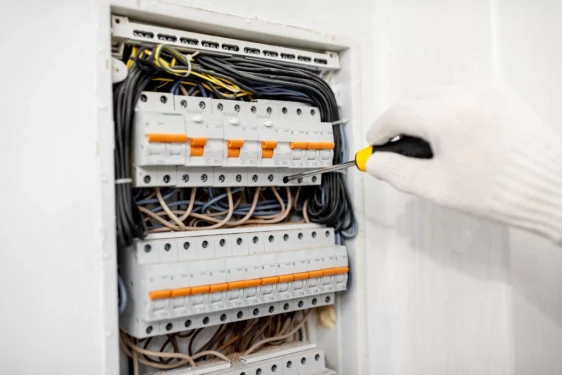
Circuit breakers are safety devices designed to cut power when a circuit becomes overloaded or faulty. While occasional trips may occur when too many appliances run at once, frequent breaker trips are a red flag.
Repeated tripping may indicate overloaded circuits, short circuits, faulty wiring, or failing appliances. Ignoring this issue can lead to overheating and increase the risk of electrical fires. If breakers trip regularly without obvious cause, professional assessment is essential.
Flickering or Dimming Lights
Lights that flicker or dim unexpectedly can be more than just an annoyance. While loose bulbs are a simple fix, persistent flickering may point to loose wiring, voltage fluctuations, or overloaded circuits.
Dimming lights when large appliances switch on can indicate your electrical system is struggling to handle demand. This is especially common in older homes with outdated wiring or insufficient circuit capacity.
Warm or Discoloured Power Points
Power points and switches should never feel warm to the touch. If you notice warmth, discolouration, or a burnt smell around outlets, this could indicate internal wiring issues or loose connections. Heat buildup inside outlets can lead to melting components or sparks, significantly increasing fire risk. Any signs of overheating should be addressed immediately.
Buzzing Sounds From Switches or Panels
Electrical systems should operate silently. If you hear buzzing, humming, or crackling noises coming from outlets, light switches, or the switchboard, it may indicate loose wiring or arcing. Arcing occurs when electricity jumps between connections, producing heat and potentially causing fires. Unusual sounds should never be ignored and require prompt professional inspection.
Burning Smells or Scorch Marks
A burning smell without an obvious source is one of the most serious warning signs of electrical trouble. This may indicate overheating wires, damaged insulation, or failing components within your switchboard. Scorch marks around outlets or switches also suggest internal heat damage. If you notice these signs, turn off power to the affected area and seek professional assistance immediately.
Outdated Switchboards and Wiring
Older homes often have electrical systems that were not designed to support modern appliances and technology. Outdated switchboards with ceramic fuses or limited circuit capacity may struggle to keep up with current demands. Signs that your switchboard may need upgrading include frequent fuse blowing, lack of safety switches, or insufficient space for new circuits. Modern switchboards improve both safety and efficiency.
Power Surges and Appliance Damage
Unexpected power surges can damage appliances, electronics, and lighting systems. While occasional surges may result from external supply issues, repeated surges often indicate internal wiring problems. Surges can wear down sensitive electronics over time. If you notice devices malfunctioning or lights burning out frequently, an electrician can investigate the root cause.
Loose or Sparking Outlets
If plugs feel loose when inserted into outlets, or if you see small sparks when plugging in devices, this may signal worn-out sockets or faulty wiring. While minor sparking can sometimes occur when connecting certain appliances, consistent or visible sparking is unsafe. Replacing damaged outlets early helps prevent further complications.
Electric Shocks When Touching Appliances
Even mild electric shocks when touching appliances, taps, or switches are not normal and should never be dismissed. These shocks may indicate grounding problems or faulty wiring. Proper earthing ensures electricity flows safely into the ground rather than through people or surfaces. If you experience shocks, turn off the relevant circuit and seek professional inspection.
Unusual Increase in Electricity Bills
A sudden spike in your electricity bill without increased usage may point to inefficiencies within your electrical system. Faulty wiring, failing appliances, or power leaks can cause energy waste. Monitoring usage patterns and investigating unexplained increases can help identify hidden issues before they escalate.
Overloaded Power Boards and Extension Leads
Using multiple power boards and extension leads to accommodate appliances can strain circuits and increase fire risk. If you rely heavily on temporary power solutions, it may indicate insufficient outlets or outdated wiring. Installing additional circuits or outlets provides a safer and more permanent solution for modern electrical needs.
Inconsistent Operation of Appliances
Appliances that switch off unexpectedly, operate intermittently, or perform inconsistently may not always be faulty themselves. Electrical supply issues such as voltage instability or loose connections can affect performance. If multiple appliances behave unpredictably, it is wise to have your electrical system evaluated.
Visible Wiring Damage
Exposed, frayed, or damaged wiring is a clear sign of electrical risk. Wiring may become damaged due to pests, renovations, or general wear over time. Visible damage should be repaired immediately to prevent short circuits or electrical shock hazards.
When to Seek Professional Help
While homeowners can identify warning signs, diagnosing and repairing electrical issues requires professional expertise. Attempting DIY repairs on wiring or switchboards can be dangerous and illegal without proper licensing. If you observe any of the warning signs discussed, engaging a qualified electrician ensures the problem is addressed safely and in compliance with regulations.
Preventative Electrical Maintenance
Routine electrical inspections can identify developing issues before they become emergencies. Preventative maintenance includes checking connections, testing safety switches, assessing load capacity, and ensuring wiring integrity. Regular inspections provide peace of mind and help maintain a safe living environment.
The Importance of Acting Early
Electrical issues rarely resolve themselves. Minor symptoms often indicate underlying problems that worsen over time. Acting early prevents small faults from becoming major safety hazards. Prompt attention reduces repair costs, minimises disruption, and protects both your property and your family.
Conclusion
Spotting electrical issues early is essential for maintaining a safe and efficient home. Frequent breaker trips, flickering lights, warm outlets, unusual noises, and burning smells are all warning signs that should never be ignored. By paying attention to these indicators and seeking professional assistance when needed, homeowners can prevent serious problems, reduce fire risk, and ensure their electrical systems continue operating safely for years to come.