For the power-conversion decision at the center of a home solar project, the household, installer and future service technician need to identify which assumptions change costs or expected benefits. That review should cover utilization, operating cost and lifecycle evidence, because the ultimate objective involves comfort, verifiable energy savings, electrical safety and long-term maintainability. For many organizations, the difficult question is not which feature sounds attractive but how a complete installation will perform after handover. A good plan links these practical questions to tests, documented responsibilities and realistic site conditions.

Understand self-consumption
Energy produced around noon does not automatically replace energy bought at night. Compare generation estimates with when the household actually uses power, and distinguish self-consumption from exports to the grid.
Array flexibility
Multiple roof planes or uneven shading may affect string design and the appropriate controller configuration. An independent operational check can show whether the plan reflects everyday use rather than an idealized demonstration.
Begin with the load profile
The useful starting point is not the roof area alone but the home’s hourly demand. Heating, cooling, cooking and daytime occupancy can shift consumption dramatically; a realistic load model helps the proposed equipment fit daily life.
Service planning
Software support, warranties and a documented replacement path reduce uncertainty over a long operating life. A clear design record helps distinguish a design limitation from a setting, installation or operating problem discovered later.
For budgeting purposes, treat solar inverter for home as a reference for available solution areas, while calculating installed cost and service needs from the actual project scope.
Electrical compatibility
DC input range and household AC connection must suit the proposed array and supply. Before approving equipment, ask for a drawing or operating scenario that demonstrates the stated function under local conditions.
Installation conditions
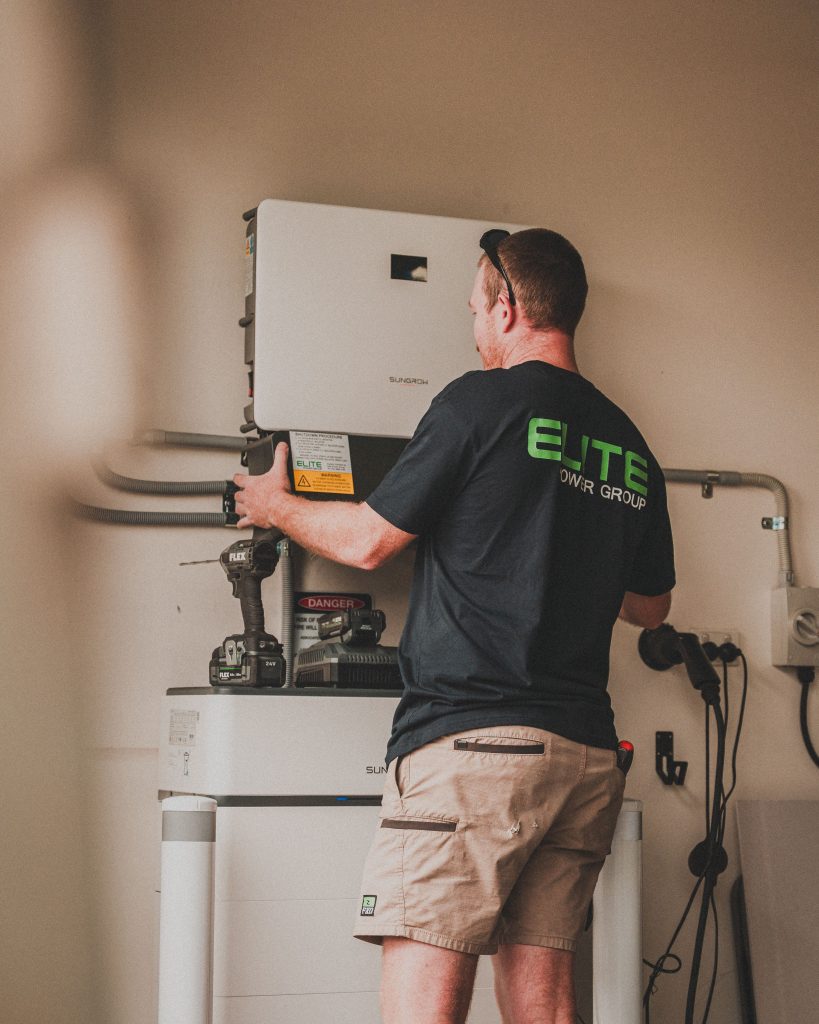
Ventilation, noise, weather exposure and cable access influence the location of a home energy controller. Before approving equipment, ask for a drawing or operating scenario that demonstrates the stated function under local conditions.
Commercial reviewers can place solar inverter for home next to a lifecycle cost model, keeping purchase specifications separate from uncertain revenue forecasts.
Battery connection
Storage integration can require particular interfaces or additional equipment; compatibility should be verified. Before approving equipment, ask for a drawing or operating scenario that demonstrates the stated function under local conditions.
Safety functions
Protective disconnection, monitoring and safe maintenance access matter more than a single specification headline. Before approving equipment, ask for a drawing or operating scenario that demonstrates the stated function under local conditions.
For a solar inverter for home, the decisive question is whether the specified functions can be supported by site evidence, safe procedures and an accountable operating model. Each requirement should be reviewed against the actual project, not assumed to apply everywhere.
Keep the business case measurable
A practical review records investment assumptions and compares expected performance with observed conditions. Documented variance matters more than a promise that all projects will behave alike.