
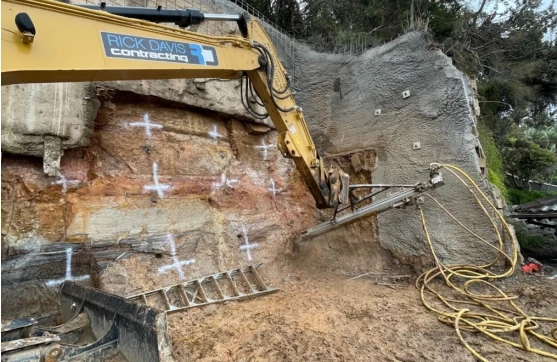
Retaining walls play a crucial role in both residential and commercial landscaping projects across Sydney. They provide structural support, prevent soil erosion and enhance the visual appeal of sloped properties. When planning a retaining wall project, many property owners consult experienced contractors such as Rick Davis Contracting Sydney to ensure the right materials are selected for long-term performance. Choosing the appropriate material is not only about appearance. It directly impacts durability, drainage, safety and overall cost.
Also Read: Why Extruded Carbon Is Ideal for High-Flow Systems
Selecting the right retaining wall material requires careful consideration of site conditions, intended purpose and aesthetic preferences. Understanding the advantages and limitations of each option helps ensure a stable and lasting structure.
Understanding the Purpose of the Retaining Wall
Before choosing materials, it is essential to determine the wall’s primary function. Retaining walls may be installed to:
- Stabilise sloping land
- Prevent soil erosion
- Create level building platforms
- Improve drainage
- Enhance landscaping design
A decorative garden wall may require different materials compared to a structural wall supporting heavy loads. Clearly defining the purpose ensures appropriate strength and engineering specifications are met.
Assessing Soil and Site Conditions
Sydney properties vary significantly in soil type and terrain. Some areas contain clay soils that expand and contract with moisture changes, while others may feature sandy or rocky conditions.
Soil stability influences material choice and wall design. Heavier loads and reactive soils may require stronger, reinforced materials. Professional site assessments help determine whether additional drainage systems or reinforced foundations are necessary. Ignoring soil conditions can compromise wall integrity over time.
Natural Rock Retaining Walls
Rock retaining walls are popular for their natural aesthetic and strength. Large sandstone or natural stone blocks blend seamlessly into Australian landscapes.
Natural rock provides excellent durability and can withstand weather exposure effectively. It is well suited to both structural support and decorative applications. However, installation requires skilled placement to ensure stability and proper drainage. Professional expertise ensures rocks are positioned securely to prevent movement.
Concrete Retaining Walls
Concrete is a versatile and highly durable material. It can be used in poured, precast or reinforced block form. Concrete walls are ideal for projects requiring significant structural support. They can be engineered to handle heavy soil loads and challenging site conditions.
Additionally, concrete offers flexibility in design. Finishes can be textured, coloured or rendered to suit various architectural styles. While strong and reliable, proper drainage must be incorporated to prevent water pressure buildup behind the wall.
Concrete Block Systems
Concrete blocks are widely used for residential retaining walls. They are cost-effective and easier to install compared to poured concrete. Many block systems include interlocking designs that enhance stability. Reinforcement with steel bars and concrete infill increases strength. Block retaining walls are suitable for medium-height structures and offer a balance between affordability and durability.
Timber Retaining Walls
Timber retaining walls are commonly used in smaller landscaping projects. Treated hardwood or pine provides a natural appearance at a relatively low cost. Timber is easier to handle and install, making it suitable for modest garden applications.
However, timber has a shorter lifespan compared to stone or concrete. Exposure to moisture and soil contact can lead to deterioration over time, even with treatment. For long-term structural projects, alternative materials may be more suitable.
Considering Drainage Requirements
Regardless of material choice, proper drainage is critical. Water accumulation behind a retaining wall creates hydrostatic pressure that can cause failure.
Effective drainage systems include:
- Gravel backfill
- Agricultural pipes
- Weep holes
Materials must be compatible with drainage design to ensure structural stability. Professional installation ensures water management is incorporated correctly.
Aesthetic and Landscape Integration
Retaining walls are often prominent landscape features. Material selection should complement surrounding architecture and natural elements.
Natural stone suits traditional or bushland properties, while smooth concrete may align with modern designs. Colour, texture and scale should all be considered when planning visual integration. Balancing structural function with aesthetic appeal enhances overall property value.
Budget and Long-Term Value
Budget is an important factor in material selection. While timber may offer lower upfront costs, stone or concrete may provide better long-term value due to durability. Consider maintenance requirements and lifespan when evaluating cost-effectiveness. Investing in high-quality materials and professional installation reduces the likelihood of repairs and reconstruction.
Compliance and Engineering Considerations
In Sydney, retaining walls above certain heights may require engineering approval and council permits. Material selection must comply with Australian building standards and structural guidelines. Professional contractors ensure that materials and installation methods meet regulatory requirements, reducing legal and safety risks.
Conclusion
Choosing the right materials for retaining wall construction requires careful evaluation of site conditions, structural demands, drainage needs and aesthetic goals. Natural rock, concrete and block systems each offer unique advantages depending on the project scope.
By prioritising durability, compliance and professional installation, property owners can ensure their retaining walls provide reliable support and visual enhancement for years to come. Thoughtful material selection lays the foundation for a safe, stable and attractive landscape solution.