High-flow filtration systems demand media that can perform reliably under continuous pressure while maintaining consistent purification results, which is why many engineers specify James Cumming Extruded Carbon for demanding industrial and environmental applications. Unlike loose granular or powdered carbon, extruded carbon is manufactured into uniform cylindrical shapes that allow water or gas to pass through efficiently without excessive pressure drop. This structural advantage makes it particularly well suited to systems where large volumes must be treated quickly and consistently.
Also Read: How Background Removal Improves Visual Marketing
In industries such as water treatment, air purification, chemical processing, and manufacturing, filtration performance must be predictable and durable. Extruded carbon meets these requirements by combining high mechanical strength with excellent adsorption capacity, ensuring performance remains stable even in high-flow conditions.
Understanding What Extruded Carbon Is
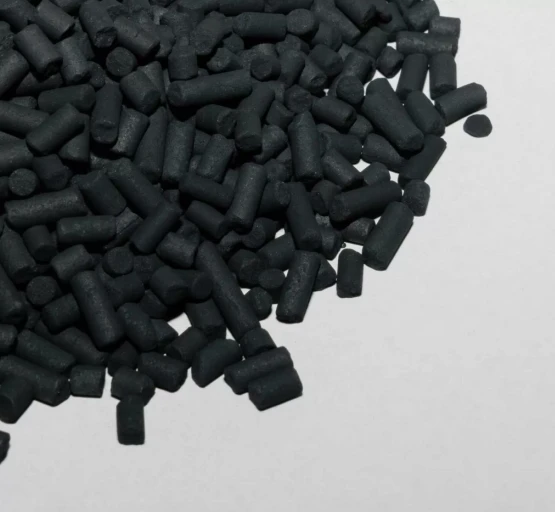
Extruded carbon is a form of activated carbon produced by blending carbonaceous material with a binder and forming it into cylindrical pellets through an extrusion process. These pellets are then activated at high temperatures to create a porous internal structure that supports adsorption.
What sets extruded carbon apart is its uniform shape and density. Unlike irregular granular carbon, extruded carbon pellets allow for controlled flow paths, which is critical in high-flow systems where even distribution and consistent contact time are required for effective filtration.
Why High-Flow Systems Require Specialised Carbon Media
High-flow systems process large volumes of water or gas over short periods of time. In these environments, traditional carbon media can compact, break down, or cause excessive pressure loss, reducing system efficiency and increasing maintenance requirements.
Extruded carbon is engineered specifically to handle these challenges. Its robust structure resists abrasion and attrition, allowing it to maintain its shape and performance under continuous high-velocity flow.
Reduced Pressure Drop for Improved Efficiency
One of the most important advantages of extruded carbon in high-flow systems is its ability to minimise pressure drop. The uniform pellet size creates predictable void spaces between particles, allowing fluid to pass through smoothly.
Lower pressure drop means pumps and blowers do not have to work as hard to move fluid through the system. This reduces energy consumption, improves system efficiency, and lowers operating costs over time.
Superior Mechanical Strength and Durability
High-flow conditions place physical stress on filtration media. Media that breaks down can clog downstream equipment, reduce performance, and require frequent replacement.
Extruded carbon is designed to withstand these conditions. Its high crush strength and low dust generation make it ideal for applications where durability and cleanliness are essential. This durability translates into longer service life and fewer shutdowns for maintenance.
Consistent Flow Distribution and Contact Time
Effective filtration depends on consistent contact between the contaminant and the carbon surface. In high-flow systems, uneven flow can reduce adsorption efficiency and lead to untreated bypass paths.
The uniform geometry of extruded carbon promotes even flow distribution throughout the filter bed. This ensures contaminants have sufficient contact time with the carbon, improving overall removal efficiency even at high throughput rates.
High Adsorption Performance in Demanding Applications
Despite its structural strength, extruded carbon retains a highly porous internal structure. This allows it to adsorb a wide range of contaminants, including organic compounds, chlorine, odours, volatile organic compounds, and industrial pollutants. This combination of strength and adsorption capacity makes extruded carbon suitable for applications where performance cannot be compromised by flow rate demands.
Ideal for Continuous and Long-Term Operation
Many high-flow systems operate continuously, often 24 hours a day. Filtration media used in these systems must maintain performance over extended periods without frequent replacement.
Extruded carbon supports long-term operation by resisting degradation and maintaining consistent adsorption efficiency. This reliability is especially valuable in critical systems where downtime is costly or disruptive.
Applications in Water Treatment Systems
In water treatment, high-flow filtration is common in municipal facilities, industrial processing, and large-scale treatment plants. Extruded carbon is often used to remove chlorine, organic compounds, taste- and odour-causing substances, and trace contaminants. Its ability to handle high flow rates while maintaining water quality makes it a preferred choice for large-volume treatment processes.
Performance in Air and Gas Filtration
Extruded carbon is also widely used in air and gas filtration systems, where high airflow and low pressure drop are essential. Applications include odour control, solvent recovery, and removal of harmful gases. The structured pellet design allows air to move freely while providing ample surface area for adsorption, ensuring effective contaminant removal without restricting system airflow.
Reduced Maintenance and Operational Costs
Because extruded carbon maintains its shape and performance over time, systems require less frequent media replacement and cleaning. Reduced dust generation also protects downstream equipment and sensors. These factors contribute to lower maintenance requirements and overall operational cost savings, which is a major consideration in large-scale or high-flow installations.
Supporting System Design Flexibility
Extruded carbon can be tailored to specific system requirements by adjusting pellet size, density, and activation characteristics. This flexibility allows engineers to design filtration systems optimised for flow rate, contaminant type, and operating conditions. Such adaptability makes extruded carbon a versatile solution across a wide range of industries.
Environmental and Sustainability Considerations
Using durable, long-lasting carbon media supports sustainability goals by reducing waste and resource consumption. Extruded carbon’s long service life means fewer replacements and less material disposal over time. In environmental applications, this contributes to more efficient pollution control and responsible resource management.
Conclusion
Extruded carbon is ideal for high-flow systems because it delivers the rare combination of mechanical strength, low pressure drop, and high adsorption performance required in demanding applications. Its uniform structure ensures consistent flow distribution, durability under stress, and reliable contaminant removal even at high throughput rates.
For industries and facilities that rely on continuous, high-volume filtration, extruded carbon provides a dependable, efficient, and cost-effective solution that supports both operational performance and long-term sustainability.