Understanding the Rise in Demand for Counterfeit Documents in the EU
In recent years, the demand for counterfeit documents has seen a notable increase across various European Union (EU) countries. This rise is not merely a result of criminal intent but rather due to complex bureaucratic systems, stringent regulations, and often inaccessible legal documentation processes. Individuals facing immediate needs—such as employment, mobility, or residency—frequently find themselves resorting to alternative methods to obtain crucial documents like identity tachograph card passports, or a tachograph card.
A tachograph card, essential for professional drivers who operate commercial vehicles, is a prime example. These cards record driving hours, rest periods, and other activities to ensure compliance with EU driving laws. However, the time-consuming and often frustrating process of obtaining or renewing such a card legally can lead individuals to seek faster solutions. This is where premium counterfeit document services like Registered Documents EU have found their market niche.
What is Registered Documents EU?
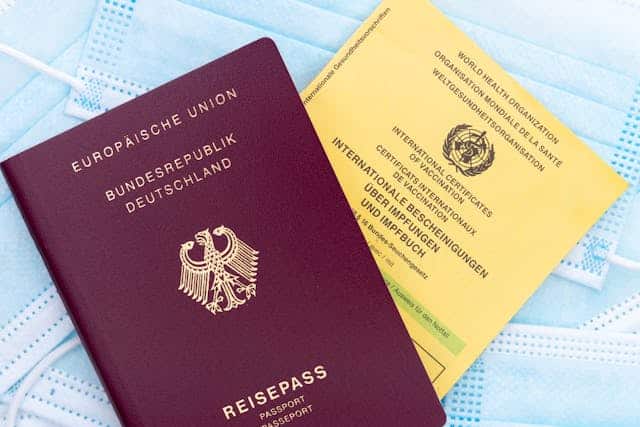
Registered Documents EU is a service provider that offers a wide range of counterfeit and novelty documentation solutions across Europe. These services include replicas of driver’s licenses, passports, ID cards, residence permits, and specific items like a tachograph card. Their clientele includes individuals facing a suspended driver’s license, undocumented immigrants, expatriates, and others who either cannot access or have lost access to their official documents.
While many may immediately associate such services with criminality, the demand often stems from practical needs. For example, someone with a suspended driver’s license may still need to drive to support their family. Registered Documents EU steps into this gray area of legality to offer alternatives, positioning their services as a premium solution to bureaucratic inaccessibility and personal hardship.
The Functionality of Tachograph Cards and the Underground Demand
Tachograph cards are more than just pieces of plastic with digital chips; they are regulatory instruments that ensure drivers adhere to work and rest schedules. This is crucial for both road safety and the well-being of drivers. For logistics companies and transport professionals, a valid tachograph card is not optional—it is mandatory.
However, the legal process to obtain or replace one can be slow. Lost, expired, or stolen cards may take weeks to replace through official channels. For an industry that thrives on tight deadlines and constant mobility, downtime means lost income. Registered Documents EU capitalizes on this urgency by offering high-quality counterfeit tachograph cards that resemble the real thing and perform basic functions, allowing drivers to continue their work uninterrupted.
Life with a Suspended Driver’s License – A Practical Dilemma
Driving with a suspended driver’s license is illegal, but for many, it’s a necessary risk. In rural areas or countries with underdeveloped public transport systems, driving may be the only viable way to reach work, school, or medical facilities. Individuals in such situations may turn to counterfeit documentation to continue their lives with some semblance of normalcy.
A suspended driver’s license can occur due to minor infractions or administrative errors. Sometimes, license suspensions are not clearly communicated or are delayed in databases, causing confusion and unintentional non-compliance. Registered Documents EU offers replicas that allow individuals to regain their perceived mobility rights. Although these documents don’t reinstate legal driving privileges, they serve as temporary coping mechanisms for those in desperate situations.
Risks Involved in Using Counterfeit Documents
Despite their appeal, counterfeit documents come with significant risks. Possession or use of such items is illegal in virtually every EU country. If caught, individuals could face heavy fines, imprisonment, and long-term legal consequences. Using a fake tachograph card, for instance, could result in a permanent ban from commercial driving in the EU, along with company sanctions and legal prosecution.
Moreover, not all document services offer the same level of quality or discretion. Inferior counterfeit documents are more easily detected during inspections, increasing the risk of being caught. Registered Documents EU claims to offer premium-quality materials and enhanced security features that mimic genuine documents closely, but users still operate under a constant threat of detection.
The Ethical Debate: Necessity Versus Legality
The existence and continued success of services like Registered Documents EU point to deeper societal issues. The tension between necessity and legality is at the core of the counterfeit document market. Many users are not hardened criminals but ordinary people facing extraordinary circumstances—be it refugees without identification, workers with a suspended driver’s license, or truck drivers unable to wait weeks for a new tachograph card.
This raises ethical questions. Should the system be more accommodating to those in temporary need? Should there be expedited processes for document replacement, or flexible policies for license suspensions that consider context? Until such reforms take place, the market for high-quality counterfeit documents will likely continue to thrive, fueled by real-world gaps in the legal framework.
A Look Inside the Business Model of Premium Counterfeit Providers
Registered Documents EU operates with a level of professionalism that blurs the line between illegal activity and a formal business. They offer customer support, quality assurance, and even delivery tracking. Their documents often come with high-resolution printing, embedded microchips, and barcodes designed to pass casual inspections. In the case of tachograph cards, some may even simulate the digital data storage features of the original cards.
Their pricing structure reflects the risk and complexity involved. For instance, a high-quality fake driver’s license or tachograph card may cost hundreds of euros. Still, many consider it a worthwhile investment compared to the potential cost of losing a job or facing immigration issues. Users range from desperate individuals to organized operations that need quick solutions for their drivers or staff.
Future Trends and the Role of Technology
As technology evolves, so do both official document security and counterfeit capabilities. Governments are implementing biometric data, blockchain verification, and mobile integration to tighten document security. On the other side, counterfeit providers are also upgrading their equipment and methods to remain undetectable. This arms race will likely continue, with Registered Documents EU and similar services adapting to each new hurdle.
The future may also see the rise of digital identity platforms across the EU, reducing dependency on physical documents. However, this too poses a problem—digital exclusion. Not everyone has the means or knowledge to access or manage digital identities. In such cases, traditional counterfeit documents will still find relevance, especially among older adults, refugees, and low-income groups.
Also Read: Legal Translation in Dubai: Requirements, Regulations & Best Practices
Conclusion
Registered Documents EU and similar services represent both a symptom and a response to the challenges of modern bureaucracy. Their existence underscores the gap between rigid legal systems and the fluid needs of real people. Whether it’s a truck driver needing a tachograph card or a person with a suspended driver’s license trying to continue daily life, the motivations for using counterfeit documents are often rooted in necessity, not malice.
While these services provide temporary relief, they come with serious risks and long-term consequences. Addressing the root causes—slow bureaucracy, lack of support for vulnerable groups, and inflexible legal systems—may help curb the demand for such services. Until then, the shadow market for high-quality fake documents will continue to attract those left behind by the official system.