
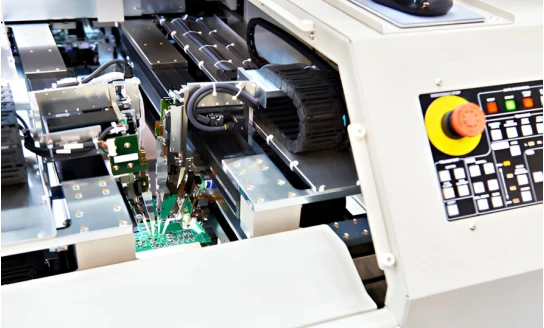
A Bare PCB Board is the starting point of every electronic device. Before components such as resistors, capacitors, microcontrollers, or connectors are mounted, the circuit board exists in its raw fabricated state. This unassembled structure forms the backbone of the entire electronic system. Without a high-quality bare board, even the most advanced components cannot deliver reliable performance.
Also Read: Fast Full Turnkey PCB Assembly for Engineering Samples — One-Stop
From consumer electronics and industrial control systems to medical devices and automotive modules, every application depends on the precision and quality of its base board. That is why selecting the right Bare PCB board manufacturer is a critical decision for any electronics company.
What Is a Bare PCB Board?
A Bare PCB Board is a printed circuit board that has completed the fabrication process but does not yet have electronic components soldered onto it. It includes the substrate material, copper traces, drilled holes, solder mask, silkscreen markings, and surface finish. However, it has not gone through assembly.
The purpose of a Bare PCB Board is to provide the structural platform and electrical pathways needed to connect components during the assembly stage. Copper traces etched onto the board create conductive routes that allow electrical signals to travel between different parts of the circuit.
Once electronic components are mounted through surface mount technology or through-hole processes, the bare board becomes a complete PCB assembly. The performance and reliability of the final product are directly influenced by the quality of the bare board.
Materials Used in Bare PCB Board Fabrication
The performance of a Bare PCB Board largely depends on the materials used during fabrication. The most common substrate material is FR-4, a fiberglass-reinforced epoxy laminate known for its durability, flame resistance, and electrical insulation properties.
Copper foil laminated onto the substrate forms the conductive layer. The thickness of the copper depends on current requirements and application needs. Higher copper thickness is used in power electronics and industrial applications.
A solder mask layer is applied to protect copper traces from oxidation and prevent short circuits during assembly. Surface finishes such as HASL, ENIG, immersion silver, or OSP are added to improve solderability and extend shelf life.
An experienced Bare PCB board manufacturer carefully selects and processes materials to ensure consistency, durability, and compliance with industry standards.
Manufacturing Process of Bare PCB Board
The production of a Bare PCB Board involves multiple precise steps. It begins with PCB design and generation of manufacturing files, including Gerber data that define copper layers, drill holes, solder mask openings, and silkscreen markings.
For multilayer boards, inner layers are first imaged and etched to create circuit patterns. These layers are stacked with insulating prepreg materials and laminated under controlled heat and pressure to form a solid board structure.
After lamination, drilling machines create holes for vias and through-hole components. The drilled holes are then plated with copper to establish electrical connections between layers. Outer layers are imaged and etched to complete the routing.
Solder mask coating is applied to protect the board, followed by surface finish treatment. Finally, the Bare PCB Board undergoes electrical testing to detect open circuits or shorts before shipment.
Because of the precision required, choosing a qualified Bare PCB board manufacturer ensures tight tolerances and reliable production outcomes.
Types of Bare PCB Board
Bare PCB Boards are available in various configurations depending on circuit complexity and application requirements.
Single-sided boards have copper on only one side and are typically used in simple electronic devices. Double-sided boards have copper layers on both sides, allowing more routing flexibility. Multilayer boards consist of three or more copper layers stacked together, enabling high-density circuit designs.
Advanced designs such as HDI boards incorporate microvias and fine trace widths for compact and high-speed applications. The choice of board type depends on device functionality, size constraints, and performance requirements.
Importance of Testing and Quality Control
Quality control is essential in Bare PCB Board fabrication because any defect at this stage can cause failure during assembly or in field operation.
Electrical testing verifies that all conductive paths are correct and that no unintended connections exist. Flying probe and bed-of-nails systems are commonly used depending on production volume.
Automated optical inspection checks trace width, spacing, and alignment against design specifications. For high-speed circuits, impedance testing ensures that signal transmission meets required tolerances.
A reliable Bare PCB board manufacturer implements strict quality management systems to reduce defects and improve product reliability.
Applications of Bare PCB Board
Bare PCB Boards are used in virtually every electronics sector. Consumer electronics such as smartphones, televisions, and home appliances rely on them for reliable circuit foundations.
Automotive systems use bare boards in engine control modules, infotainment units, and safety systems. Medical equipment depends on high-quality boards for monitoring devices and diagnostic tools where precision is critical.
Industrial automation systems, telecommunications infrastructure, aerospace electronics, and renewable energy equipment all require dependable bare boards to ensure long-term performance.
The versatility of the Bare PCB Board makes it one of the most essential components in modern manufacturing.
How to Choose the Right Bare PCB Board Manufacturer
Selecting the right Bare PCB board manufacturer is a key factor in ensuring product success. A qualified manufacturer should have advanced fabrication capabilities, including multilayer production, fine trace processing, and controlled impedance design.
Certifications such as ISO compliance and adherence to IPC standards indicate strong quality management practices. In-house electrical testing and inspection systems further ensure consistent output.
Production capacity is also important. Whether you require rapid prototyping or large-scale manufacturing, your Bare PCB board manufacturer should have the infrastructure to meet your demands.
Technical support and design feedback can help optimize layouts for manufacturability, reduce costs, and improve yields. Clear communication and reliable delivery timelines are equally important for maintaining smooth supply chain operations.
Bare PCB Board vs. PCB Assembly
It is important to distinguish between Bare PCB Board fabrication and PCB assembly. Bare board fabrication focuses on producing the physical board structure with copper traces and protective layers. PCB assembly involves mounting and soldering electronic components onto the fabricated board.
Some manufacturers offer both services, allowing customers to streamline production and reduce logistical complexity. Working with a single supplier for both fabrication and assembly can improve quality control and shorten lead times.
Future Trends in Bare PCB Board Technology
As electronic devices become more compact and powerful, Bare PCB Board technology continues to evolve. High-density interconnect designs allow finer traces and smaller vias, enabling miniaturization.
Advanced materials are being developed to support higher frequencies and improved thermal management. Automation and smart manufacturing systems are enhancing production efficiency and reducing defects.
Environmental regulations are also shaping the industry, encouraging lead-free processes and sustainable material usage.
Conclusion
A Bare PCB Board is the structural and electrical foundation of every electronic device. Its material quality, fabrication accuracy, and testing reliability directly impact the performance and durability of the final product.
Partnering with an experienced Bare PCB board manufacturer ensures strict quality control, advanced production capabilities, and dependable delivery schedules. Whether you are developing prototypes or scaling to mass production, choosing the right Bare PCB board manufacturer will help you achieve superior reliability, reduced risks, and long-term success in the competitive electronics industry.