
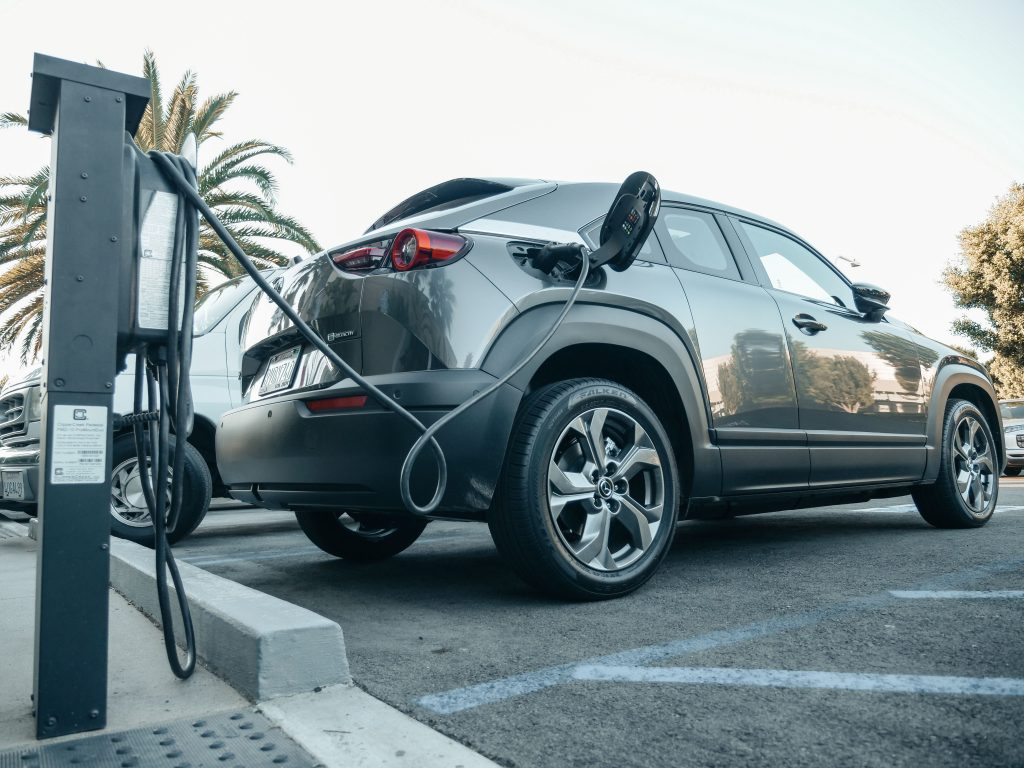
A charging cabinet may appear to be one device, yet its power modules determine how output can be converted, shared and serviced. This is a familiar challenge in public charging projects, where decisions made early can restrict operation for years. Start with an operating requirement that can be verified in the field. Procurement language is much more useful when engineers, owners and operators agree on the same boundary of responsibility.
Keep Vehicle Limits in View
Charging power is negotiated between station and vehicle and typically changes during the session. Battery temperature, state of charge and model-specific acceptance limits affect the result. Peak connector ratings should therefore be accompanied by realistic charging curves. Operators can improve trust by publishing clear guidance without promising the same speed to every driver.
Study the Grid Connection
The available electrical service often sets the real upper bound for a charging location. Utility upgrade lead times, transformer capacity and demand charges can dominate project cost. Load management and staged expansion may improve the investment case, but only if their effect on waiting time is modeled. The power budget belongs in the original site concept.
A practical way to evaluate an EV charging power module against the real constraints of this location, not the capabilities of an ideal test site. Check efficiency at partial loads, voltage range, module redundancy and field replacement procedures.
Design the Parking Experience
Bay geometry, curb access, connector reach and safe pedestrian routes affect whether people can use the equipment. Accessibility requirements differ by jurisdiction and should be checked before paving work starts. An efficient electrical drawing cannot compensate for a cable that fails to reach a vehicle port. Include commercial vans and unfamiliar drivers in site tests.
Component compatibility cannot be inferred from a similar-looking cabinet.
Monitor Availability Honestly
An online status icon is not necessarily evidence that a driver can start and complete a paid session. Track successful starts, interrupted charging, payment errors and dispenser-level downtime. Service teams need remote diagnostics that lead to a field action. Reporting a precise uptime percentage is meaningful only when the calculation and exclusions are transparent.
Coordinate Payments and Networks
A charger depends on more than power electronics: communications, authentication and billing systems also shape the experience. Intermittent connectivity can turn a working power unit into an unavailable service. Define offline behavior and payment recovery procedures. Test common customer journeys end to end before opening a site to the public.
The case for an EV charging power module is best established through a measurable site-level outcome. Specify module-level diagnostics and tested operating envelopes.
Measure Finished Sessions
Tracking connected time is not enough. The operational outcome is whether vehicles received the energy needed before departure. Log delivered kilowatt-hours, faults, queue delays and schedule overrides. Those records can identify chronic undersizing or inefficient allocation. They also provide credible evidence for the next round of capital investment.
A relevant product reference for EV charging power module can help frame the final acceptance tests. Supplier documentation still needs to match the selected configuration.