Pulmonary function refers to how well a child’s lungs work during breathing. When children experience breathing difficulties, specialized testing helps healthcare providers identify underlying respiratory conditions and develop appropriate treatment plans. These assessments can provide diagnostic value for children as young as three years of age. Here are a few key things to know about the different types of pulmonary function tests to help you understand the assessments better:
Common Respiratory Conditions in Kids
Several medical conditions can affect pulmonary function in children, prompting specialized testing. Asthma is one of the most common conditions, often requiring ongoing monitoring through functional tests. Children with bronchopulmonary dysplasia, a condition affecting premature infants, may need regular assessment to track lung development. Other conditions that may require evaluation include:
- Recurrent pneumonia that signals potential underlying respiratory issues
- Exercise-related breathing disorders that impact physical activity and daily life
- Neuromuscular disorders that influence breathing patterns
- Sleep apnea
- Tracheomalacia
- Childhood interstitial lung disease
Each condition presents unique challenges, making tailored assessment approaches necessary. Comprehensive testing allows healthcare providers to gather precise information and better understand a child’s lung function.
Basic Pulmonary Function Tests
Pulse oximetry is a basic test that measures oxygen levels in a child’s blood using a small probe on the finger or ear. The test is painless and non-invasive, making it suitable for children of all ages. Providers often start with this method before more comprehensive assessments, as it quickly indicates oxygen saturation and whether further testing may be necessary.
Testing Options for Kids and Teens
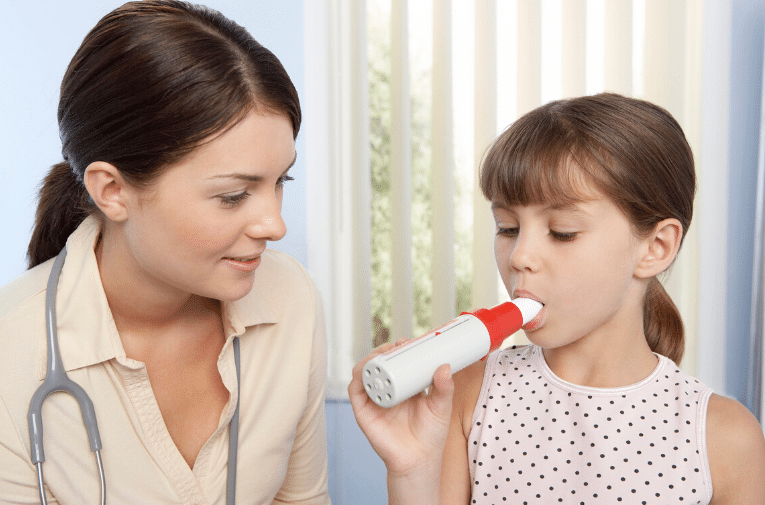
Spirometry is a forced exhalation test used to assess asthma in children. It measures how much air a child can exhale and how quickly. Providers often include a bronchodilator challenge, giving inhaled medication, and repeating the test to evaluate treatment response. Fractional exhaled nitric oxide testing measures nitric oxide levels in breath, helping detect lung inflammation linked to asthma and guide ongoing management.
Impulse oscillometry offers an alternative for younger children who cannot perform spirometry. The test takes about thirty seconds of normal breathing and measures airway resistance. It can provide detailed information about airway function that standard spirometry might miss.
Infant pulmonary function testing allows assessment of very young children’s breathing patterns. Sedation and specialized equipment measure airflow speed, lung volume, and lung stiffness. Exercise testing in clinical settings evaluates activity-related breathing issues, using treadmill sessions and lung function measurements before and after exercise to detect exercise-induced bronchospasm or other conditions.
Comprehensive Lung Volume and Gas Exchange Tests
Lung volume tests measure the total air a child’s lungs can hold, often using a small, transparent chamber. At the same time, the MINIBOX offers a less confining alternative for children who are sensitive to larger spaces. Lung diffusion capacity testing evaluates how efficiently oxygen moves into the blood, sometimes paired with blood samples to check hemoglobin. Arterial blood gas testing measures oxygen and carbon dioxide directly from arterial blood, typically from the wrist, providing detailed insights into gas exchange and overall respiratory function for pediatric patients.
Making Informed Decisions About Pulmonary Function Testing
Modern pulmonary function testing offers comprehensive assessment options for pediatric patients across all age groups. These specialized tools enable healthcare providers to develop targeted treatment plans that address each child’s unique respiratory needs, ultimately improving outcomes and quality of life for young patients with breathing difficulties.