
The Day of the Dead, or Día de los Muertos, is a vibrant celebration rooted in Mexican culture, honoring loved ones who have passed away. At the heart of this tradition lies a profound symbolism that expresses love, remembrance, and continuity. One of the most iconic elements associated with this celebration is the marigold flower, known as cempasúchil in Spanish. Bright orange and yellow in hue, marigolds are more than just decorative—they carry deep spiritual significance and are essential in Day of the Dead altars and rituals.
The flower’s symbolism is linked to both indigenous beliefs and Catholic traditions. The Aztecs, who are credited with the origin of the festival, believed that the marigold’s vivid color and strong scent could guide the souls of the dead back to the realm of the living. This belief has persisted, blending with Spanish Catholic influences to create a unique spiritual tradition where flowers act as messengers and pathways between worlds.
Marigolds are often placed on altars, called ofrendas, where families honor the memory of their ancestors. These altars are typically decorated with photographs, candles, food offerings, sugar skulls, and personal belongings of the deceased. Marigolds are spread across the table, woven into garlands, and laid out in trails leading from the entrance of the home to the altar, believed to help guide spirits to their loved ones.
The bright orange and yellow tones of marigolds are also symbolic of the sun, which plays a critical role in ancient beliefs about life and death. The sun was seen as the source of life and energy, and its cycles—rising and setting—mirrored the journey of the soul. In this context, marigolds are considered representations of both the sun’s warmth and the soul’s enduring vitality.
Marigold petals are often used to form intricate designs and patterns on the ground, not just as decoration, but as spiritual signposts. These floral paths are thought to create a sensory route that spirits can follow. Because marigolds are highly aromatic, their scent helps draw spirits toward their altars. For this reason, fresh marigolds are preferred during the Day of the Dead festivities, and families often gather together to create these displays, turning the act of decoration into a sacred ritual.
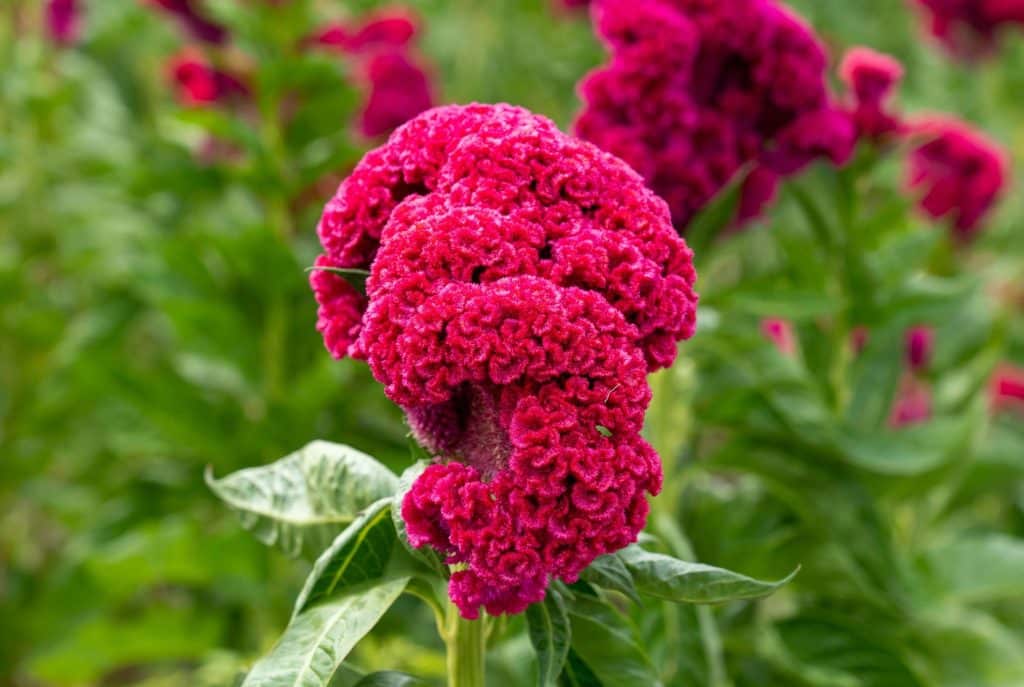
Beyond marigolds, other flowers are also featured during Día de los Muertos, though none are as symbolic. White baby’s breath, red cockscomb, and purple statice are commonly used to complement marigolds and add additional color and meaning to floral arrangements. Each color holds its own spiritual value—white symbolizes purity, red for blood or sacrifice, and purple for mourning and suffering. When combined with marigolds, these flowers form a rich tapestry of emotion and remembrance.
In contemporary celebrations, marigolds are not limited to altars. They are used to decorate gravestones, community spaces, parade floats, costumes, and even food presentations. Artificial marigolds have become popular as well, especially in places where fresh flowers are not available. Made of crepe paper or fabric, these alternatives allow people across the world to participate in Day of the Dead traditions, regardless of geography.
The process of decorating with marigolds has also evolved into a communal act. Families often go to cemeteries together to clean and decorate the graves of their loved ones, bringing marigolds and other offerings. This act is both a reflection of respect and a reaffirmation of the continuing relationship between the living and the dead. Children are often involved in these rituals, learning from a young age about the importance of memory, love, and cultural heritage.
In recent years, the Day of the Dead has gained international recognition, and marigolds have become a symbol of Mexican identity and resilience. Artistic expressions, such as the animated film “Coco” by Pixar, have introduced the symbolic marigold to a global audience, reinforcing its role as a connector between generations. Marigolds have since been featured in exhibitions, art installations, and educational workshops around the world.
For those who wish to incorporate marigold symbolism into their own Day of the Dead celebrations, there are many creative ways to do so. Building a personal altar with marigolds, candles, and photos of loved ones is a beautiful and intimate tribute. You can also make paper marigolds with children, decorate your home with garlands, or even bake marigold-shaped cookies. Each of these acts serves to honor those who came before us, while strengthening the bonds we share with family and community.
The marigold reminds us that beauty and memory can coexist, even in the face of loss. Its fragrance and color stir emotions and open pathways of remembrance. In many ways, decorating with marigolds during the Day of the Dead is not only a nod to ancient tradition, but also a living, breathing act of love.
While marigolds are central to this sacred holiday, their symbolism transcends cultural boundaries. They represent the human desire to stay connected with those we have lost, to celebrate their lives, and to acknowledge that their spirits live on in our hearts and homes. In adorning our spaces with marigolds, we create more than just decoration—we cultivate a sacred space where the past and present meet in harmony.
As we approach each Day of the Dead, may we look to the marigold not just as a flower, but as a timeless symbol of love, light, and spiritual guidance. Let its colors brighten our altars and its scent fill our homes, reminding us that remembrance is a beautiful, essential part of life.